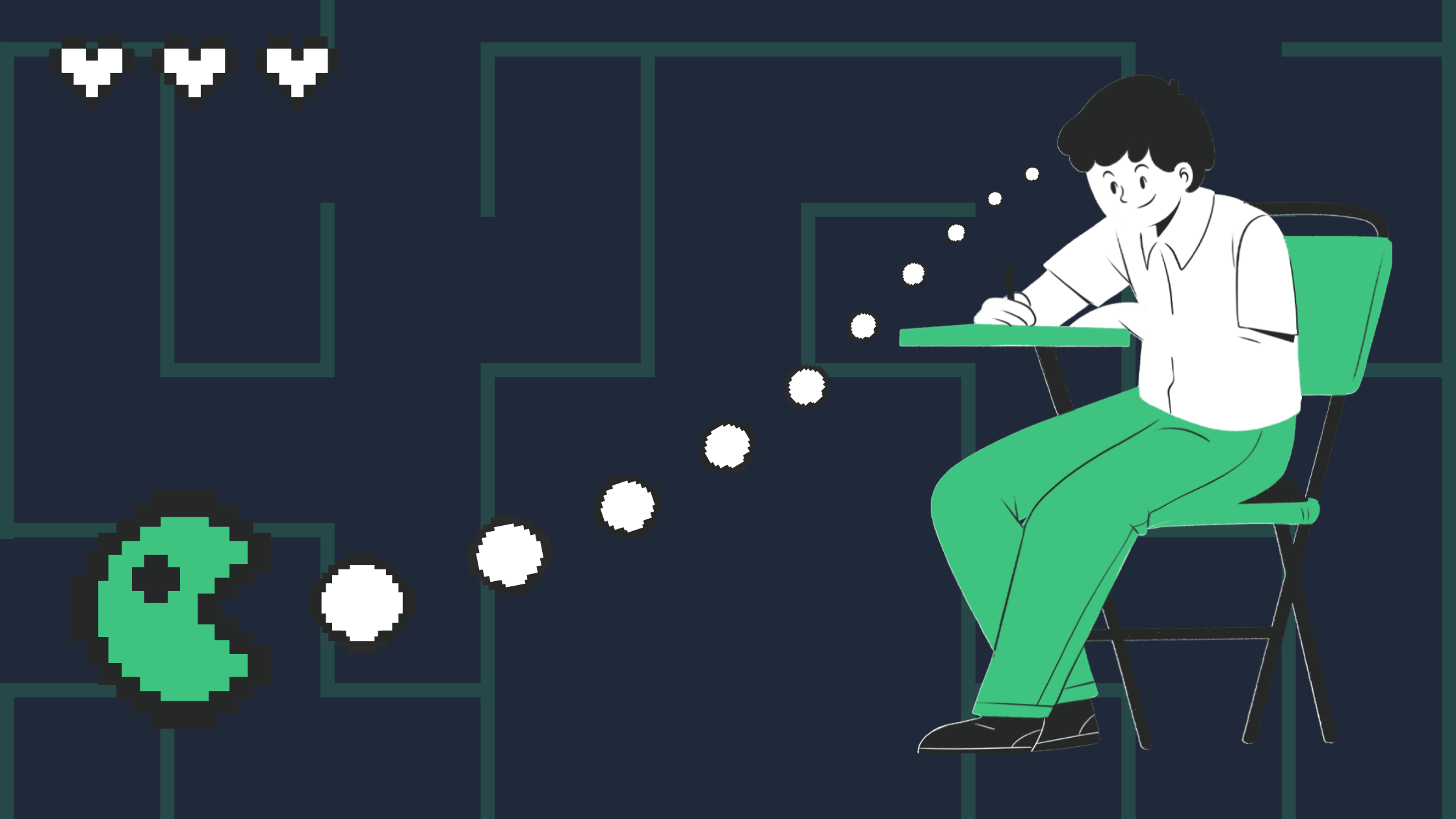
In the midst of a focused study session, you’re distracted by an email notification from your phone. Can’t hurt to take a quick glance, right? But when you return to your studies, something has changed. You feel foggy, the words on the page blur. You find that you can’t seem to focus on the book in front of you. What happened?
”Bad at Focusing”? You’re Probably Leaking Attention.
Sophie Leroy, a business professor at the University of Minnesota, discovered something troubling about how we switch tasks. In her 2009 research paper “Why Is It So Hard to Do My Work?”, she found that when you move between tasks, your attention doesn’t follow cleanly.
Part of your mind stays stuck on the first task. Leroy calls this attention residue.
Cal Newport explains it in Deep Work: “When you switch from some Task A to another Task B, your attention doesn’t immediately follow—a residue of your attention remains stuck thinking about the original task.” The “residue” is worse if you left Task A unfinished or were doing low-intensity work.
“People experiencing attention residue after switching tasks are likely to demonstrate poor performance on that next task.” The more residue, the worse you perform.
Why This Matters for Students
Every time you check your phone while studying, you create residue. Every tab switch. Every “quick” email check. You’re operating at a fraction of your capacity without realizing it.
The urge to switch is even stronger for students with ADHD. With every diversion of your attention, the residue builds faster. Though you have studied for hours, you may find that you’ve actually retained little to nothing.
How to Reduce Attention Residue
Work in longer, uninterrupted blocks. Newport found that top performers “work for extended periods with full concentration on a single task free from distraction.” Even 25-minute blocks help.
Finish tasks before switching. Residue is thickest when you leave something incomplete. Close the loop, even if it’s just writing the phrase “pick up here” for later.
Batch your distractions. Check email once per hour, instead of every five minutes. Fewer checks = less residue left behind.
Change input modes. If reading allows for too many distractions to creep in, try listening instead. It’s harder to tab-switch when you’re walking with headphones on.
The Bottom Line
Every task switch takes a bit of your focus away, and that left-behind “residue” can tank your performance. Protect your attention by working in longer blocks, finishing before switching, and removing visual triggers.